Big Debs the Boa constrictor featured on ITV she came to live in Sanctuary in May 2012 had her debut on ITVs Alan Titchmarsh Show on Thursday 21st March.
She’s full of character and weighs 18kilos.
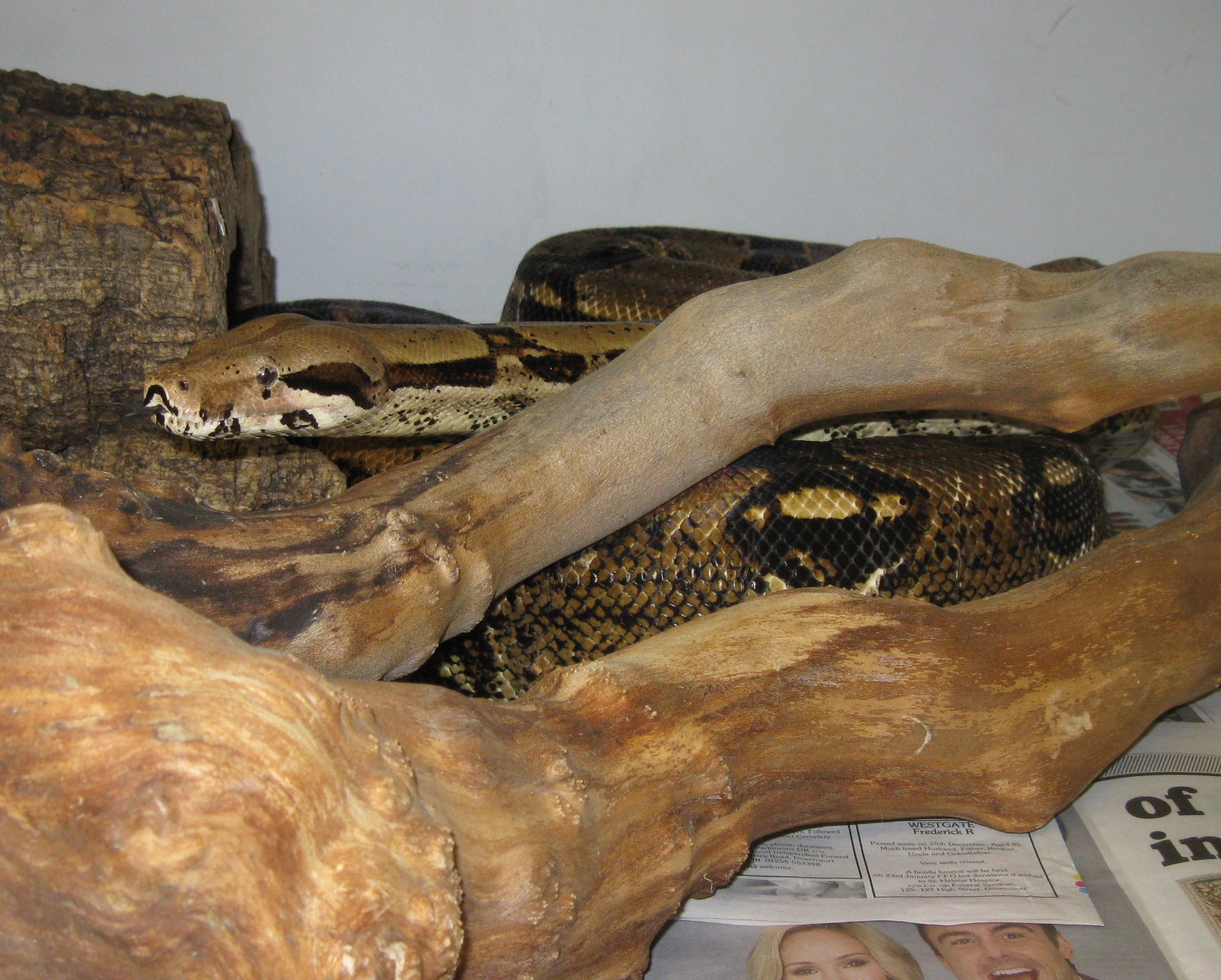
Big Debs the Boa constrictor featured on ITV she came to live in Sanctuary in May 2012 had her debut on ITVs Alan Titchmarsh Show on Thursday 21st March.
She’s full of character and weighs 18kilos.
Snake Care Tips – feeding
I know that many people all over the world feed their snakes live food but this is not necessarily the best thing to do in captivity. We must remember neither animal the snake or the prey item is in their natural wild setting, they are both trapped in a box together. Snakes are not always hungry and it has been known for the prey animal to badly damage the snake by biting it, the prey animal is fighting for its life after all.
We don’t feed live animals to our snakes in the UK so if a snake is a difficult feeder we have to find ways around the problem, one simple solution is to dip the defrosted rodent into a bowl of hot water then present it to the snake, use a pair of feeding tongs unless you like getting bitten by mistake, the heat coming from the food item aafter being dipped in hot water is often enough to make the snake believe it is alive. One of the biggest mistakes that snake keepers make is to touch the food item with theirwarm hand and then put the hand near the snake, when the snake is in excited, feeding mode it cannot discriminate between your rodent smelling warm, live hand and a prey item.
It’s a good idea to use a separate box for feeding your snake. A plastic box with a fitted lid that cannot be opened easily – line it with paper place the snakes food inside with a pair of tweezers or tongs and then place your snake inside this prevents any rodent smell on your hands and your snake will get used to the idea of not being fed in its viv; by moving your snake each time this way it will always know your smell as opposed to a rodent and by handling it all the time it will never become nervous of you.
If you feed your snake inside its vivarium it could ingest some of the substrate by accident causing compaction in its stomach. It’s easy after the first excitement of owning a snake to neglect the need for handling it and just put the food into the tank and change its water – we need to remember the snake is living in solitary confinement without other animals around or weather, many people have brought their snakes to the sanctuary saying it suddenly started biting them, on investigation I found that the snake was not being handled anymore; large unknown hands suddenly coming into its home can become very scary – we must imagine how we would feel in the same situation, vivariums are prison after all.
For handling snakes read Tips on handling.
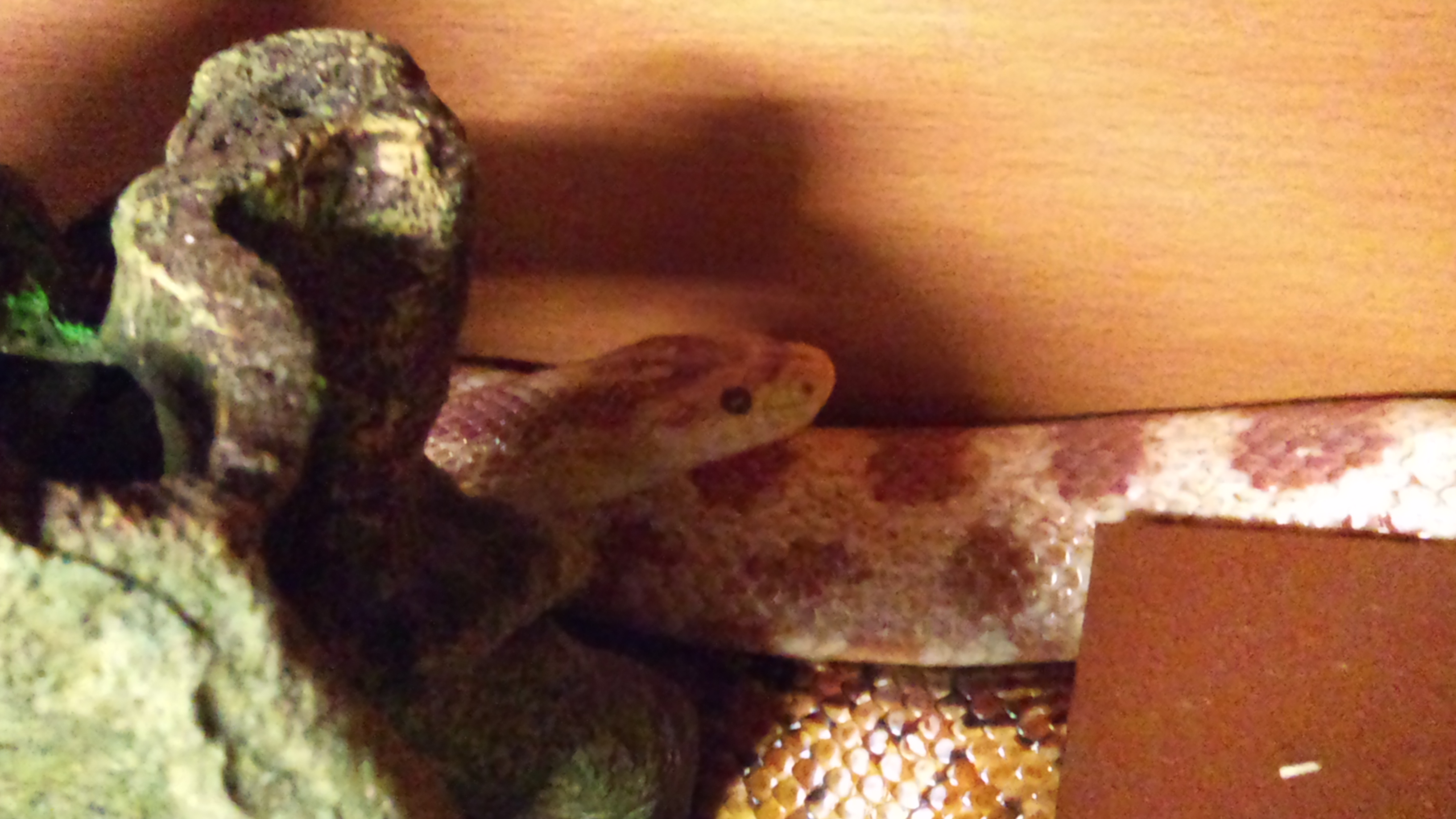
Three new rescues:
The photo opposite is of Kellogs who is a little overweight and has a unusual pointy snout more like a Pine Snake. Just underneath his body you can see the body of Syrup.

Syrup and Kellogs came in together, the usual story – children grown up and left home the snakes were bought rather like a toy than a family pet. Syrup is rather shy, you can just see her peeking out from under Kellog’s body.

Bully the Bull Snake is a very unhappy snake, we will attempt to change this with lots of loving care but he/she is 15yrs old so it may be too late to make any changes. The first time in 16yrs that I’m considering purchasing a “snake hook”!
Adopt a Corn snake, we now have 10 rescued Corn Snakes needing loving, forever homes.
Snake Care Tips – Socialisation – do you have a snake you cannot handle?
Many snakes come into the sanctuary because people have become afraid of them or have not handled them in a while. In fact you only need to handle a snake once a month for it to remember you and if you feed it outside of its vivarium in a separate box that’s all the handling it should need. Of course it is better to handle your snake more often but also not too often, everyday is too often. Don’t handle them when sloughing or when they have just eaten, so be extra careful when placing the snake back into its vivarium after it has fed.
How to socialise a nervous snake:
1) Put a glove on one hand and open the viv, lay the gloved hand on the snake preferably covering its head; do this whenever you have time. Snakes cannot see the same as us and have no eyelids, they detect heat very well so a large, hot human hand heading towards its face can be very scary.
2) with the gloved hand on the snake place ungloved hand on the snake avoiding its head, do this whenever you have time.
3) once the snake accepts your hand resting on it without it jumping, you can attempt to take it out of the viv, always arrange the snakes head to be pointing in the opposite direction to yourself and move very slowly any fast movement will spook it. This can be done for a very short time and then allow the snake to go back to its viv. (I always say its best to move as if you’re doing Tai Chi).
4) its always best to feed snakes outside of their viv so by managing to handle the snake this way means that everytime you want to feed the snake it will be handled (If the snake is not socialised and I want to feed it outside of its viv I always use two gloves and follow tip (3) guide the snake into the box with the food in and use the gloves to pick it up and put it back in the viv after the food has gone down).
5) my personal experience is that after this handling the snake will not hide so much and will actually want to come out even if it is only feeding time. If the snake comes to the glass to come out put a glove on one hand, put the back of the ungloved hand in front of the snakes face allow it to taste and smell your hand, 9 times out of 10, at the beginning, they will turn back to the safety of the viv. Over time they will recognise the smell of your hand and begin to climb on you (remember Tai Chi) and I still keep one gloved hand in case I need to move it quickly, (the gloved hand doesn’t spook them).
6) Eventually you should have a socialised snake. Always be prepared to go back to tips (1) and (2) if needed.
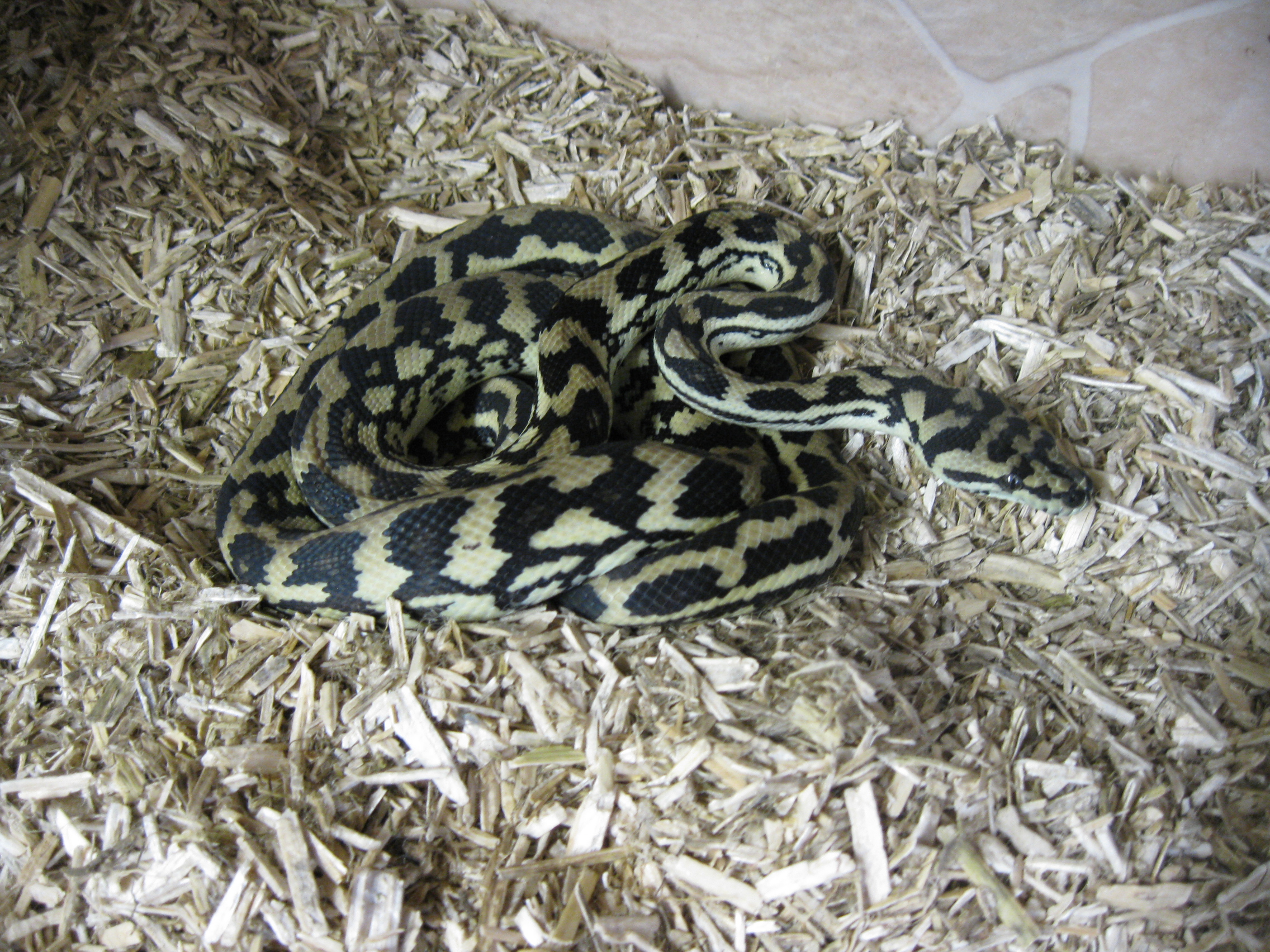
Little Tyson in the photo came in unsocialised and this has worked really well with him, it’s always best to do this while the snake is young I have a Rainbow Boa that came in 2007 he was 8yrs old and we haven’t moved on past number (4) but I haven’t totally given up!!
At the snake sanctuary uk little Mika the albino Garter Snake has had some health problems this year, he hasn’t eaten much and I thought it was the end of the line, after his 3rd visit to the vet a huge amount of stuff came out from below his cloaca it seems his glands had built up loads of unnecessary junk. A friend brought some PowerAid to bathe him in and he sloughed on Tuesday and ate two rat pups – whoopee – looks like he’s on the road to recovery – such a sweet little bod with the hugest eyes. Another success for the snake sanctuary UK.

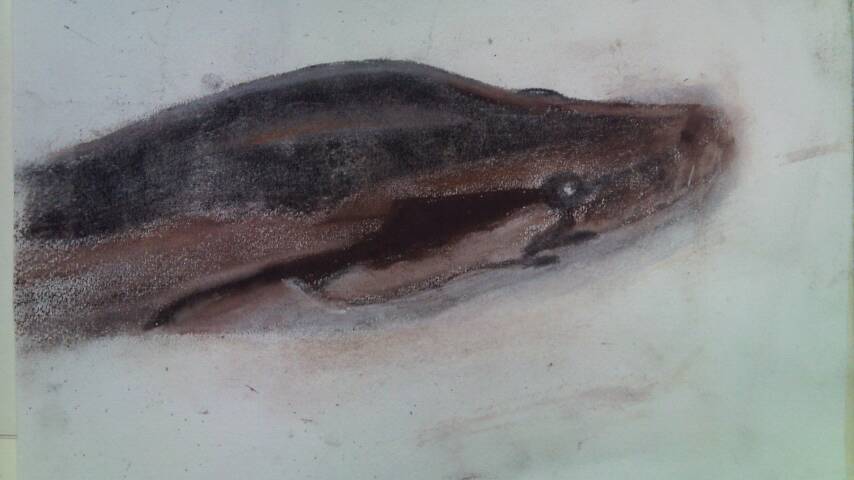
Snake Art – What I do when I’m waiting for snakes to eat their dinners, quite a few more portraits to paint with 70 snakes living in the sanctuary!! My Paintings and Drawings of Snakes.


An admin fee of £50 for one corn snake or £80 for two that know one another and are living together. Females are kept together and males are kept together not males and females are kept together we have enough corn snakes already without making more!!
Here are photos of the lovely healthy and socialised Corn Snakes awaiting new forever homes:
From left to right we have Sprite a 5yr old albino Corn Snake she’s the latest rescue, next is Claudette she came into the sanctuary Oct 2010 is approx 7-8yrs old, third photo is of Boosh and Mizzy they have lived together for sometime so it would be good if someone could re-home them together Boosh 5-6yrs old came in July 2010 and Mizzy 3yrs old Sept 2010, next is Genie probably 3yrs old came in July 2011 next is Wills probably 5-6yrs old also came in July 2011, last but not least big and beautiful Naja age unknown came in with Genie July 2011.
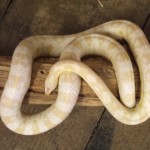


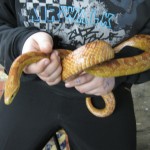

This photo at the very bottom is a of a baby Kenyan Sand Boa they were born 28th July 2011, we don’t normally breed snakes at the sanctuary but these little snakes are fantastic to bring out at the beginning of an educational presentation as they don’t move fast and are small, their two big sisters work very hard so I thought it would be good to have some more. We have a surplus of 6 some males some females. Price £50 each.
Delta, a Corn snake that we’ve had since she was two years old, had a strange swelling in her body caused by swellings on her ovaries. Our brilliant reptile vet took her ovaries away and she’s picking up very well. Here’s a picture of her with stitches still in; she was supposed to have them out on the 16th Aug, but Ben the vet is on holiday so we’ll wait until he gets back.
.
20yr old Delta is spending the night at the vets, investigative op tomorrow, hope she can come home we’re not sure what’s wrong……….